The modern automobile is becoming more connected with every generation. What was once primarily a mechanical machine is now increasingly supported by digital systems that communicate with smartphones, cloud platforms, navigation services, and other devices. This shift is changing not only the technology inside vehicles but also the way drivers interact with their cars during everyday journeys.
Connected technology can make many driving tasks more convenient and more responsive. Navigation can receive current road information, vehicle systems can monitor operating conditions, and drivers can access selected functions through digital interfaces. At the same time, connectivity is creating new expectations around how vehicles communicate, respond, and adapt.
From Standalone Vehicle to Connected Device
Traditional vehicles operated largely as independent machines. Their primary functions depended on mechanical components, electrical systems, and controls located within the vehicle itself.
Modern connected vehicles operate differently. A growing number of functions can communicate with external digital platforms, allowing information to move between the vehicle, mobile devices, and remote services.
This connection can support features such as remote vehicle status checks, navigation synchronization, software updates, digital service notifications, and smartphone integration.
The result is a vehicle that can remain digitally connected even when it is parked. Drivers may be able to check selected vehicle information, interact with certain functions remotely, or receive notifications without being physically inside the cabin.
Navigation Is Becoming More Dynamic
Navigation has changed significantly as connected technology has developed.
Older navigation systems primarily relied on stored maps and information that required periodic updates. Modern systems can incorporate continuously changing road conditions and other available data to provide a more dynamic driving experience.
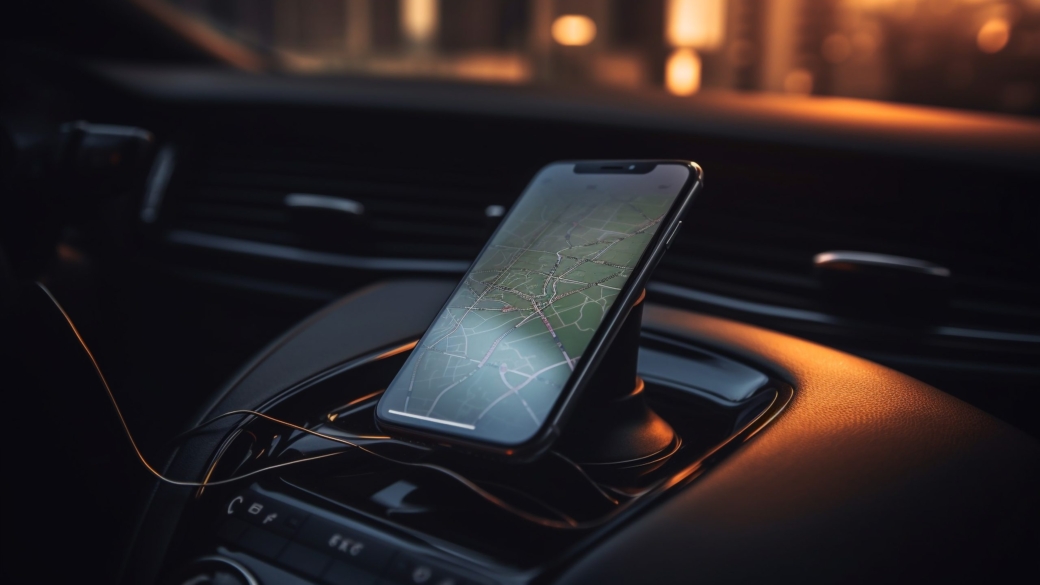
Connected navigation can account for traffic conditions, road disruptions, changing travel times, and route developments. This allows the system to respond to circumstances rather than simply following a predetermined route.
Integration with smartphones has also made navigation more seamless. Drivers can transfer destinations, synchronize information, and use familiar applications through the vehicle’s interface.
As these systems continue developing, navigation is becoming less about finding a location and more about helping drivers understand what is happening along the entire journey.
Smartphones and Vehicles Are Working More Closely Together
Smartphone integration has become an important part of the modern driving environment.
Wireless connectivity allows compatible devices to interact with the vehicle without requiring a physical cable. Drivers can access navigation, music, communication tools, and other supported applications through the vehicle’s display.
This integration can reduce the need to switch between separate devices while driving. Instead, selected smartphone functions become part of the vehicle’s central interface.
Digital keys are another development emerging from this relationship. Compatible systems can allow a smartphone to perform functions traditionally associated with a physical key, depending on the vehicle and technology platform.
The relationship between the phone and vehicle is therefore becoming increasingly integrated rather than separate.
Remote Vehicle Functions Add New Convenience
Connectivity also extends beyond the driver’s seat.
Depending on the vehicle, connected services can allow owners to check information remotely or control selected functions from a mobile application. These capabilities may include checking whether the vehicle is locked, viewing certain vehicle conditions, locating the vehicle, or preparing the cabin before a journey.
Remote functionality can be particularly useful when drivers need to confirm something without returning to the vehicle.
Instead of treating the automobile as an isolated object, connected services make it possible to interact with the vehicle as part of a broader digital environment.
Software Is Becoming Part of Vehicle Ownership
Modern vehicles increasingly rely on software to control and coordinate many functions.
This means that vehicle development does not necessarily end when a car leaves the manufacturing facility. Software can continue to influence the driving experience throughout the vehicle’s life.
Over-the-air updates can allow manufacturers to modify or improve certain software systems remotely. Depending on the vehicle, updates may address system performance, interface functionality, connectivity, or other supported features.
This approach represents a significant change in how vehicles evolve. Previously, many improvements required a physical visit to a service facility. Digital updates can reduce the need for some of those visits by allowing compatible changes to take place remotely.
Vehicles Are Generating More Useful Data
Connected vehicles can collect and process a wide range of information related to their operation.
Sensors and electronic control systems can monitor areas such as battery condition, tire-related data, system temperatures, driving behavior, and mechanical performance. The specific information available depends on the vehicle and its technology.
This data can support diagnostics and help identify potential issues.
Instead of waiting for a noticeable problem to appear, some systems can monitor vehicle conditions continuously and provide alerts when certain parameters require attention.
Over time, this approach may contribute to a more proactive relationship between drivers and vehicle maintenance.
Personalization Is Becoming More Common
Connectivity is also helping vehicles become more personalized.
Digital profiles can allow certain preferences to be associated with individual drivers. Depending on the vehicle, these preferences may include seat settings, climate controls, display configurations, navigation preferences, and other supported functions.
This creates a more adaptable cabin experience, particularly when several people regularly use the same vehicle.
Personalization can also extend to digital interfaces. Drivers may be able to organize frequently used functions, select preferred displays, and adjust how information is presented.
The vehicle therefore becomes less dependent on a single fixed configuration.
Connectivity Can Support More Efficient Communication
Another important development is the ability of vehicles to communicate information more effectively.
Instead of presenting every warning in the same way, modern systems can organize information according to its relevance. Digital displays can combine visual indicators, sounds, navigation information, and other signals to help drivers understand changing conditions.
Connected services can also provide maintenance reminders or system notifications through mobile applications.
This communication can make vehicle ownership more transparent because drivers have greater access to information about what the vehicle is doing and when attention may be required.
Security Becomes More Important
Greater connectivity also introduces new responsibilities.
A vehicle with numerous digital connections requires systems designed to protect communications, software, and user data. Cybersecurity has therefore become an increasingly important part of automotive development.
Manufacturers must consider how vehicles communicate with external services, how software is updated, and how connected features are protected from unauthorized access.
As vehicles become more dependent on software, digital security becomes closely connected with overall vehicle reliability.
Connectivity Is Changing the Driving Experience
The most significant change may not be any individual feature. Instead, it is the way multiple technologies work together.
Navigation, smartphone integration, remote services, software updates, vehicle diagnostics, digital displays, and driver-assistance technologies can form a connected ecosystem.
This ecosystem allows the vehicle to respond to more information than traditional automobiles could process.
For drivers, the result is a different relationship with the automobile. The vehicle is becoming an active digital platform rather than simply a machine used to travel from one place to another.
Looking Ahead
Connected vehicle technology is likely to continue expanding as automotive software becomes more sophisticated.
Future systems may provide more personalized interfaces, improved predictive diagnostics, stronger integration with digital devices, and more advanced communication between vehicles and surrounding infrastructure.
The challenge will be balancing greater functionality with simplicity. Drivers need technology that provides useful assistance without creating unnecessary complexity or distraction.
As connectivity becomes a standard part of automotive design, the most important developments may be those that work quietly in the background while making everyday driving more intuitive.
The connected vehicle represents a broader shift in automotive technology. Cars are becoming increasingly integrated with the digital world, and this transformation is changing navigation, maintenance, personalization, communication, and the overall experience of driving.