
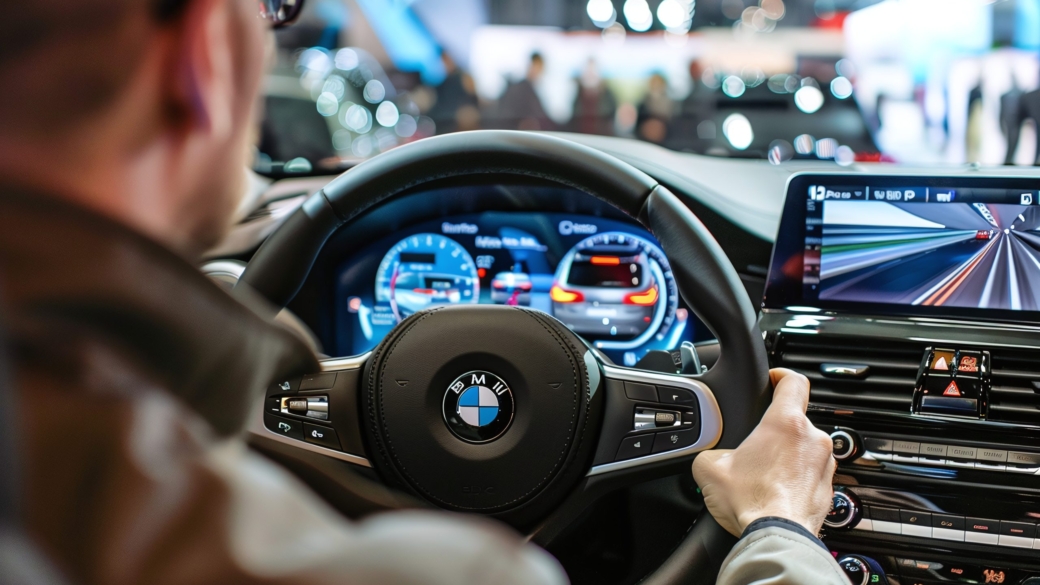
The relationship between drivers and automobiles has changed considerably over the past several years. A vehicle is no longer judged only by engine performance, exterior design, or mechanical reliability. Technology, usability, comfort, connectivity, and adaptability have become increasingly important parts of the driving experience.
As automotive systems become more sophisticated, drivers are also becoming more familiar with digital technology. Smartphones, smart devices, navigation platforms, and automated services have influenced expectations inside the vehicle. People increasingly want their cars to be intuitive, responsive, and capable of fitting naturally into their daily routines.
This shift is encouraging manufacturers to rethink how vehicles are designed and how drivers interact with them.
Convenience Has Become a Core Expectation
Modern drivers often expect everyday vehicle functions to require as little unnecessary effort as possible.
Keyless entry, push-button starting, automatic climate control, wireless smartphone connectivity, and digital navigation are examples of features that can simplify routine tasks.
Convenience is not necessarily about adding more functions. It is often about reducing the number of steps required to perform a task.
A system that remembers preferred settings, connects automatically to a familiar device, or provides frequently used controls in an accessible location can make a noticeable difference during everyday driving.
This has shifted automotive development toward creating experiences that feel increasingly seamless.
Technology Needs to Be Easy to Understand
As vehicles gain more capabilities, simplicity has become an important consideration.
Drivers may encounter multiple menus, alerts, assistance systems, connectivity options, and vehicle settings. If these features are difficult to understand, additional technology can create unnecessary complexity.
Modern interfaces are therefore increasingly designed around clear menus, recognizable icons, voice commands, and simplified controls.
The objective is to make advanced technology accessible without requiring drivers to spend excessive time learning how every system works.
Ease of use has become an important part of the overall vehicle experience.
Personalization Is Changing Expectations
Drivers are also becoming more accustomed to personalized technology.
Digital devices can remember preferences and adapt to individual users, and many people now expect vehicles to provide similar capabilities.
Depending on the vehicle, personalization can include seat positions, climate preferences, display layouts, audio settings, lighting, navigation preferences, and driver-assistance configurations.
This can be particularly useful in households where multiple people share the same vehicle.
Instead of adjusting everything manually each time, selected settings can be associated with individual drivers and restored when they enter the vehicle.
Seamless Smartphone Integration Matters
The smartphone has become an important part of modern daily life, and vehicles are increasingly designed around that reality.
Drivers often expect their phones to connect easily with the vehicle and provide access to navigation, communication, music, and other compatible functions.
Wireless connectivity can make this process more convenient by eliminating the need for physical cables.
The growing integration between smartphones and vehicles also means that drivers may expect familiar applications and interfaces to work consistently across different devices.
Automotive technology is therefore increasingly being designed as part of a broader digital ecosystem.
Drivers Want Better Visibility
Information is another area where expectations have changed.
Modern vehicles can provide extensive data about the journey, vehicle condition, navigation, energy use, and driver assistance.
The challenge is presenting that information in a useful way.
Drivers generally benefit when important details are easy to identify while less relevant data remains in the background.
Digital instrument clusters can adapt the information displayed according to driving conditions. Navigation directions, speed, vehicle status, and assistance alerts can be presented within the same visual environment.
This approach gives drivers access to more information without necessarily requiring more physical controls.
Comfort Extends Beyond Seating
Comfort in a modern vehicle involves much more than the physical seats.
Cabin temperature, noise levels, lighting, air quality, storage, visibility, and interface design all contribute to how comfortable a vehicle feels.
Automatic climate systems can adjust cabin conditions with minimal interaction. Improved sound insulation can create a quieter environment, while carefully designed seating can support longer journeys.
Technology can also contribute to comfort through features such as heated and ventilated seats, configurable lighting, and automatic adjustments.
As vehicles become more technologically advanced, comfort is increasingly treated as a combination of physical and digital experiences.
Drivers Are Paying Attention to Efficiency
Fuel and energy efficiency have also become more visible aspects of vehicle ownership.
Modern vehicles can display real-time consumption data, estimated driving range, energy usage, and other metrics.
This information can help drivers understand how different driving conditions influence efficiency.
Acceleration, speed, weather, traffic, and vehicle load can all affect energy consumption. Digital displays make these changes easier to observe.
As drivers become more aware of efficiency, manufacturers are developing systems that present energy-related information in increasingly accessible formats.
Expectations Around Safety Are Evolving
Safety remains one of the most important considerations in vehicle development, but expectations have expanded.
Drivers increasingly encounter systems designed to assist before a dangerous situation develops.
Forward collision warnings, automatic emergency braking, blind-spot monitoring, lane assistance, adaptive cruise control, parking sensors, and surrounding cameras can provide additional awareness.
These technologies are becoming part of the expected automotive experience rather than being viewed only as advanced extras.
At the same time, drivers need clear explanations of what these systems can and cannot do. Effective technology depends not only on technical capability but also on understandable communication.
Vehicles Are Expected to Adapt
Another growing expectation is adaptability.
Drivers use their vehicles for a wide range of activities. A car may serve as a commuter vehicle during the week, a family vehicle on weekends, and a transportation solution for longer journeys or outdoor activities.
This encourages manufacturers to design vehicles with flexible interiors, configurable storage, adjustable seating, and versatile cargo areas.
Digital systems can also contribute to adaptability by allowing drivers to modify selected vehicle settings according to different situations.
The modern automobile is increasingly expected to accommodate changing routines rather than being designed around one specific type of use.
Updates Can Extend the Digital Experience
Software has changed expectations around how vehicles develop after purchase.
In the past, the majority of a vehicle’s functionality was established at the time of production. Modern software-based systems can receive updates that modify interfaces, improve functionality, or address technical issues.
Over-the-air updates can make some of these changes possible without requiring a physical visit.
This has introduced a new concept of vehicle evolution. A car can continue receiving software improvements during its ownership period, depending on the manufacturer’s technology and update strategy.
Reliability Still Matters
Despite the growing importance of technology, drivers have not abandoned traditional expectations.
Reliability remains closely associated with the overall ownership experience.
Digital features need to function consistently, screens should respond properly, connectivity should be dependable, and assistance systems should operate within their intended parameters.
A sophisticated feature has limited value if it is confusing or unreliable.
For manufacturers, this creates a challenge: introducing new technology while maintaining the dependability that drivers have traditionally expected from their vehicles.
The Importance of Thoughtful Design
Modern drivers are not necessarily asking for the greatest possible number of features.
Instead, many automotive technologies are being developed around a more practical question: how can technology make driving easier, safer, more comfortable, or more adaptable?
This distinction is important.
A vehicle filled with complicated functions may appear technologically advanced but still provide a frustrating experience. Conversely, a carefully designed system can improve everyday driving without demanding constant attention.
Thoughtful design is therefore becoming just as important as technological capability.
Changing Expectations Will Shape Future Vehicles
Driver expectations will continue influencing automotive development.
Future vehicles are likely to provide greater personalization, more natural voice interaction, improved connectivity, smarter assistance systems, and increasingly adaptable interiors.
Artificial intelligence may also allow vehicle interfaces to respond more effectively to context and individual preferences.
At the same time, manufacturers will need to maintain a balance between innovation and simplicity.
The modern driver increasingly expects a vehicle to be more than transportation. It is becoming a connected, adaptable, and interactive part of everyday life.
As these expectations continue to evolve, automotive design will increasingly focus on creating technology that works naturally in the background while giving drivers greater control, awareness, and convenience when they need it.