
Walk through a parking area filled with newer vehicles and one thing becomes immediately apparent: automotive design is moving in several directions at once. Some models emphasize sharp geometric lines, others use softer surfaces, while many combine familiar proportions with details that would have been unusual only a few years ago.
These differences are not simply the result of changing styling preferences. The shape of a vehicle is influenced by aerodynamics, safety requirements, visibility, manufacturing techniques, interior space, lighting technology, and the mechanical layout beneath the body.
Every curve, opening, surface, and proportion can have a practical reason behind it.
Proportion Comes Before Decoration
Before designers decide on headlights, grilles, trim, or other visual details, they establish the basic proportions of the vehicle.
The relationship between the hood, cabin, wheels, windows, and rear section determines much of the vehicle’s visual character. It also affects interior room, visibility, cargo capacity, and aerodynamic performance.
The increasing use of different powertrain layouts has created additional freedom in some areas. Electric vehicles, for example, can use a floor-mounted battery pack and do not require the same engine-compartment arrangement as a traditional combustion-powered vehicle.
This can give designers greater flexibility when positioning the cabin and creating interior space.
Even so, proportions must remain practical. A dramatic silhouette has limited value if it compromises passenger room, cargo access, or visibility.
Aerodynamics Is Visible in the Shape
Many design elements that appear purely stylistic are influenced by airflow.
Air moving around a vehicle creates resistance, turbulence, and pressure differences. Designers therefore spend considerable time shaping the front end, roofline, wheel areas, mirrors, underbody, and rear section.
A smoother body can help reduce aerodynamic drag, which can contribute to improved efficiency.
This has become particularly significant for vehicles where energy consumption directly affects driving range. But aerodynamic considerations also matter for combustion-powered vehicles because reducing resistance can improve overall efficiency.
Modern wind-tunnel testing and computer simulations allow designers to examine airflow in considerable detail before a production vehicle is built.
As a result, exterior styling is increasingly developed alongside aerodynamic engineering rather than separately from it.
Lighting Has Become a Design Signature
Headlights and taillights once served relatively straightforward functions. Today, they are also important elements of vehicle identity.
LED technology allows lighting assemblies to be thinner, more precise, and more flexible in shape. Designers can create distinctive daytime running lights, illuminated signatures, and complex rear-light arrangements.
Because lighting remains visible at night and from a distance, it can become one of the most recognizable characteristics of a vehicle.
At the same time, these components have practical responsibilities. Headlights must illuminate the road effectively, while other lighting systems communicate braking, turning, reversing, and vehicle presence.
The result is a part of the automobile where visual design and functional engineering meet particularly closely.
The Grille Is Being Reconsidered
The front grille has traditionally been one of the defining features of a vehicle.
Its original role was closely connected with airflow requirements for cooling an engine. As powertrain layouts diversify, the need for large openings at the front can change.
This has allowed designers to experiment with different interpretations of the traditional grille.
Some vehicles retain familiar shapes for brand recognition, while others use more enclosed front sections with smaller openings dedicated to cooling specific components.
The change illustrates an important principle in automotive design: when engineering requirements evolve, familiar visual elements can take on new purposes.
Wheels Influence More Than Appearance
Wheels occupy a relatively small portion of a vehicle’s total surface area, yet they have a significant visual impact.
Their diameter, spoke design, finish, and position within the wheel arches can dramatically change the appearance of the same basic body.
But wheel design also involves engineering considerations.
Wheel weight can influence suspension response and efficiency. The shape of the wheel can affect airflow around the tire. Tire dimensions influence ride comfort, steering response, grip, and overall vehicle behavior.
For this reason, wheel development requires cooperation between designers and engineers.
The final design must look appropriate while also meeting functional requirements.
Surface Lines Serve a Purpose
Modern vehicle bodies often feature carefully controlled creases and transitions between surfaces.
These lines can create the impression of movement even when the vehicle is stationary. They can also help direct airflow or visually emphasize particular proportions.
Computer-aided design has made it possible to develop extremely precise body surfaces.
Designers can experiment with subtle changes in curvature and observe how they influence reflections, shadows, and airflow.
This has made modern bodywork more precise than ever, with even small changes capable of altering the entire appearance of a vehicle.
Safety Shapes the Cabin and Exterior
Safety requirements influence vehicle design at almost every level.
The structure must provide appropriate protection during different types of impacts, while the exterior must accommodate sensors, lighting, pedestrian considerations, and other requirements.
The position of the windshield, roof pillars, hood, mirrors, and windows can influence visibility as well.
Designers therefore cannot treat appearance as an isolated objective. A visually appealing shape must work within a complex set of structural and safety requirements.
This explains why some seemingly simple design choices can require extensive engineering work.
Interior Space Is Part of Exterior Design
The outside and inside of a vehicle are closely connected.
Moving a roofline, windshield, wheelbase, or seating position can change the amount of available cabin space.
Manufacturers therefore have to balance exterior proportions with the needs of passengers.
A longer-looking hood may create a particular visual impression but reduce available cabin space if the underlying architecture requires it. A more upright rear section may provide additional cargo capacity while producing a different silhouette.
This is why modern vehicle design often involves compromises between appearance, practicality, aerodynamics, and packaging.
Materials Are Expanding the Designer’s Toolbox
New materials are providing additional opportunities for automotive designers.
High-strength steels, aluminum, composites, recycled materials, advanced plastics, and other engineered materials can serve different purposes throughout a vehicle.
Material selection affects weight, durability, manufacturing processes, appearance, and structural performance.
Inside the cabin, designers can also combine different textures and finishes to create a particular atmosphere.
The increasing emphasis on recycled and renewable materials is introducing another consideration. Designers are now looking not only at how a material looks and performs but also at how it fits into a vehicle’s broader lifecycle.
Digital Tools Are Transforming the Creative Process
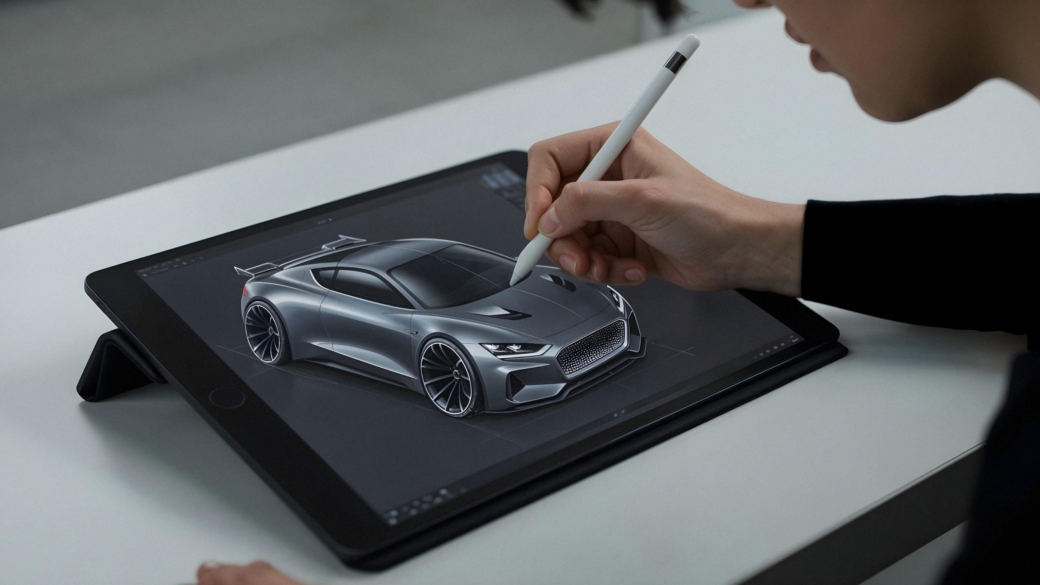
Automotive design has always depended on sketches and physical prototypes, but digital tools have dramatically expanded the process.
Design teams can create highly detailed virtual models and examine them from almost any angle. Computer simulations can evaluate aerodynamics, structural behavior, lighting, ergonomics, and manufacturing feasibility.
Virtual reality can also allow designers and engineers to experience digital interiors before physical prototypes exist.
Physical clay modeling remains valuable because it provides a tangible representation of the vehicle’s surfaces and proportions. Increasingly, however, physical and digital processes work together.
This combination allows ideas to be tested and refined more efficiently.
Practicality Is Becoming Part of Styling
Today’s vehicle design increasingly has to accommodate diverse lifestyles.
Cargo access, storage compartments, roof systems, flexible seating, wide-opening doors, and easy entry can all influence the design process.
These features may not be as visually dramatic as a distinctive headlight or sculpted body line, but they can have a greater impact on everyday usability.
Designers therefore have to consider what happens when the vehicle is used rather than simply how it appears in a studio.
A successful design can combine visual identity with practical solutions that remain useful throughout the vehicle’s life.
Different Powertrains, Different Possibilities
The continued development of electric and hybrid powertrains is adding another layer to automotive design.
Battery placement, cooling systems, electric motors, charging hardware, and electronic components all require careful packaging.
Electric platforms can create opportunities for flatter cabin floors and different approaches to interior layout. At the same time, battery protection and thermal management introduce their own engineering requirements.
Traditional combustion-powered vehicles continue to evolve as well, meaning designers are working with multiple technical architectures rather than one universal formula.
The result is a wider variety of shapes and proportions across the automotive market.
The Road Ahead for Automotive Design
The next generation of vehicle design will likely continue blending engineering with increasingly sophisticated visual concepts.
Aerodynamics, lighting, materials, software, powertrain architecture, safety systems, and manufacturing techniques will all influence the final shape of a vehicle.
At the same time, designers will continue searching for ways to make automobiles recognizable without sacrificing usability.
The most interesting developments are often found where appearance and function overlap. A body line can influence airflow, a light signature can establish identity, a wheel can affect both efficiency and handling, and a roof shape can determine both cabin space and aerodynamic behavior.
Automotive design is therefore much more than deciding what a car should look like. It is the process of bringing together hundreds of engineering and human considerations into one physical object.
The vehicles seen on the road are the visible result of that process, with their shapes reflecting not only aesthetic choices but also the technologies, regulations, materials, and lifestyles that influence automobile development.